
A new informational release outlines the importance of immediate action during dental emergencies and explains how early care may improve treatment outcomes. The guidance focuses on the first 24 hours following incidents such as tooth pain, swelling, broken teeth, and knocked-out teeth.
Muskegon, Michigan, United States, 20th May 2026 – The latest educational guidance surrounding dental emergencies is drawing attention to the importance of immediate action during the first 24 hours after symptoms appear. Dental professionals continue to report that delays in seeking care for urgent oral health conditions may increase the likelihood of infection, tooth loss, and more extensive treatment procedures. The guidance is intended to help patients understand the early steps commonly recommended when dealing with severe tooth pain, swelling, broken teeth, or traumatic dental injuries.
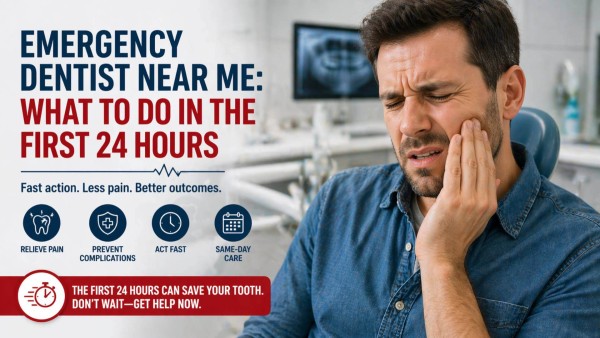
First-Day Response May Influence Treatment Outcomes
Muskegon, Michigan, Bruce G Jones Dental has released updated educational information focused on what patients should do during the first 24 hours following a dental emergency. The release explains that early response measures often play a significant role in determining whether a tooth can be preserved and whether complications can be minimized. According to the information provided, immediate assessment and timely communication with an emergency dental provider may reduce the risk of infection progression and structural damage to teeth and surrounding tissue.
Dental emergencies can involve a wide range of situations, including severe toothaches, cracked teeth, abscesses, soft tissue injuries, and knocked-out teeth. The release explains that many emergency situations worsen when symptoms are ignored or treatment is postponed beyond the first day. In cases involving infection or trauma, rapid intervention is often associated with less invasive treatment options and improved recovery outcomes.
Guidance Outlines Initial Steps Following Dental Trauma or Pain
The educational release outlines several measures commonly recommended before a patient reaches professional care. These include identifying the severity of symptoms, controlling swelling with cold compresses, rinsing with warm salt water, and protecting damaged teeth or tissue from additional injury. The guidance also notes that over-the-counter pain relievers may help temporarily manage discomfort but are not substitutes for professional evaluation.
In situations involving a knocked-out tooth, the information advises handling the tooth carefully without touching the root and keeping it moist in milk or saliva while seeking immediate dental care. The release states that timing is especially critical in these situations, as treatment within a short window may significantly improve the likelihood of saving the tooth. Patients experiencing visible swelling, persistent bleeding, or spreading pain are advised to seek urgent dental evaluation without delay.
Delayed Treatment May Increase Risks and Costs
The release further explains that untreated dental emergencies can extend beyond oral discomfort and may contribute to broader health concerns if infections spread into surrounding tissue. Cracked or broken teeth left untreated may deteriorate further, leading to additional restorative procedures or tooth extraction. According to the guidance, delays of even 24 to 48 hours may increase treatment complexity and overall costs for certain conditions.
The information also addresses several common mistakes patients make while attempting to manage dental emergencies at home. These include applying aspirin directly to the gums, using heat on swollen areas, or postponing professional evaluation because symptoms temporarily improve. The release emphasizes that early assessment remains the safest course of action even when symptoms appear manageable during the initial stages of an emergency.
Increased Public Awareness Around Emergency Dental Preparedness
The educational announcement reflects growing awareness surrounding emergency dental preparedness and the importance of public understanding regarding urgent oral health conditions. Dental providers continue to encourage patients to recognize early warning signs and respond quickly when symptoms develop. The release notes that having a clear plan in place during the first 24 hours of a dental emergency may help reduce stress, improve decision-making, and support better long-term oral health outcomes.
The guidance concludes by reinforcing that rapid response during dental emergencies may significantly affect treatment success, patient comfort, and tooth preservation. Early communication with an emergency dental provider remains one of the most important steps patients can take following unexpected dental pain or injury.
Media Contact
Organization: Bruce Jones Dental
Contact Person: Bruce G. Jones Dentistry
Website: https://brucegjonesdds.com/
Email: Send Email
Contact Number: +16168512040
Address:30 W Norton Ave
City: Muskegon
State: Michigan
Country:United States
Release id:45234
The post Emergency Dental Care Guidance Emphasizes Immediate Action During First 24 Hours appeared first on King Newswire. This content is provided by a third-party source.. King Newswire makes no warranties or representations in connection with it. King Newswire is a press release distribution agency and does not endorse or verify the claims made in this release. If you have any complaints or copyright concerns related to this article, please contact the company listed in the ‘Media Contact’ section
Disclaimer: The views, suggestions, and opinions expressed here are the sole responsibility of the experts. No Topical Tidings journalist was involved in the writing and production of this article.